EN
 SP
 FR

- Home
- About Us
- Products
- Service
- Project
- News
- Contact Us
Pulished on Jul. 25, 2023
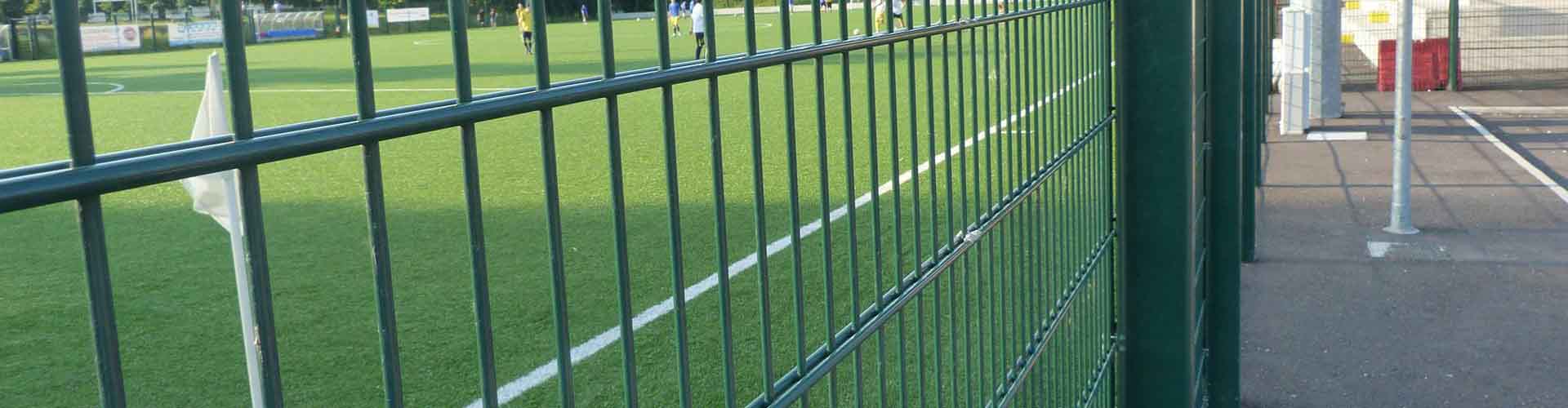
Canada Temporary fencing is a popular solution for a variety of applications, including construction sites, events, and temporary work zones. It provides a quick and effective way to create a secure environment, control access, and ensure public safety. In this article, we will explore the product details and installation process of temporary fence solutions in Canada.

Some of the key product details of temporary fences in Canada include:
Material: The most common materials used in temporary fences in Canada are galvanized steel, aluminum, and PVC. These materials are durable, weather-resistant, and provide a high level of security.
Height: Temporary fences in Canada are typically 6 to 8 feet in height, providing a secure perimeter that is difficult to breach.

Panel Size: Temporary fence panels in Canada are typically 6 to 10 feet in length and 4 to 6 feet in height, making them easy to transport and install.
Accessories: Temporary fences in Canada come with a range of accessories, including gates, fence clamps, and stabilizers, which are designed to enhance the fence's performance and security.

The following steps are typically involved in the installation process:
Site Preparation: The site is prepared by clearing the area where the fence will be installed and marking the fence line.
Delivery: The temporary fence is delivered to the site.

Installation: The fence panels are installed by experienced professionals, ensuring that they are securely anchored and properly aligned.
Gate Installation: Gates are installed in the desired locations, ensuring that they are securely attached to the fence panels.
Removal: The temporary fence is removed once it is no longer required, ensuring that the site is left clean and undamaged.
Conclusion:
Temporary fences in Canada provide a quick and effective way to create a secure environment, control access, and ensure public safety. By following proper installation and maintenance protocols, temporary fences can provide a high level of performance and longevity for years to come.
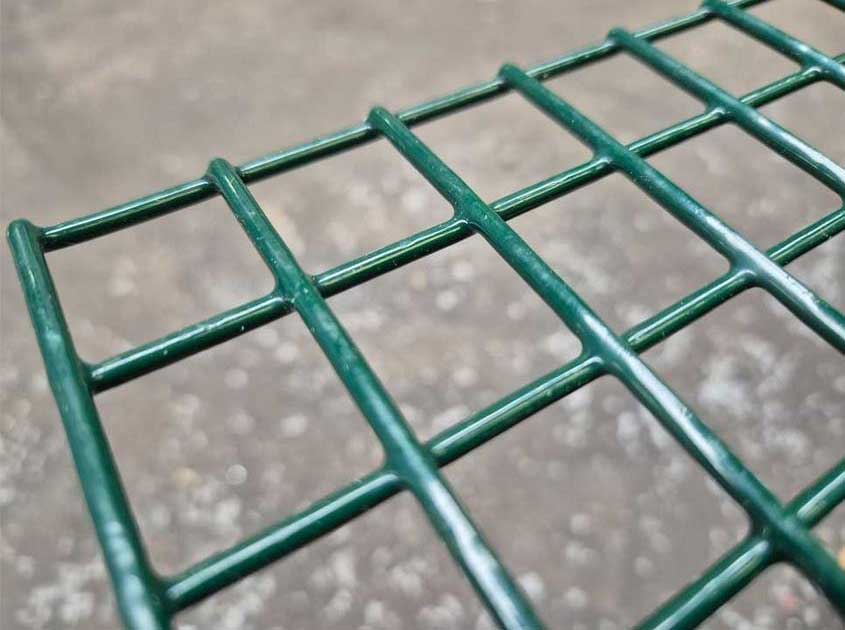
How to Select the Right Wire Diameter for Welded Wire Fence? A Practical Buyer’s Guide
Pulished on Nov. 18, 2026
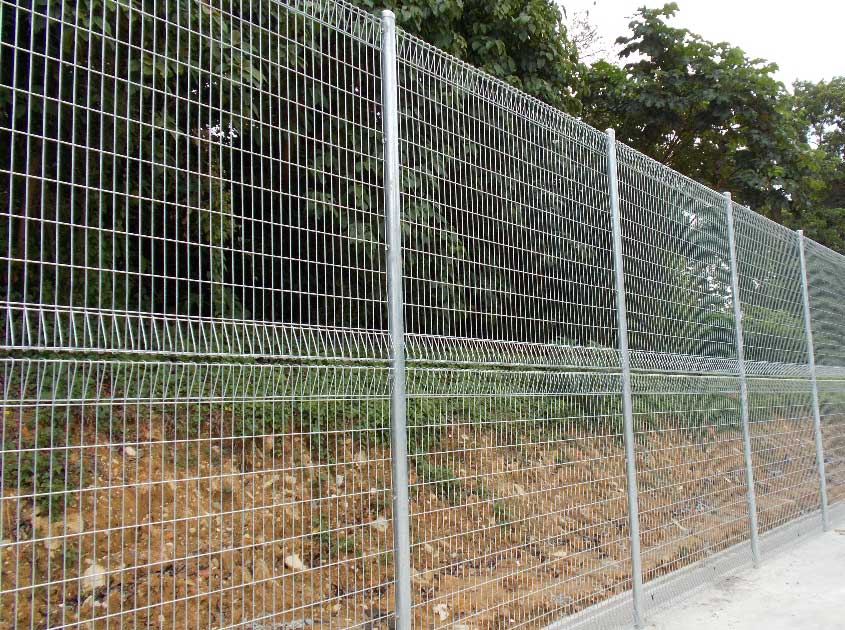
What Mesh Size Is Best for Welded Wire Fence? A Practical Selection Guide
Pulished on Nov. 09, 2026
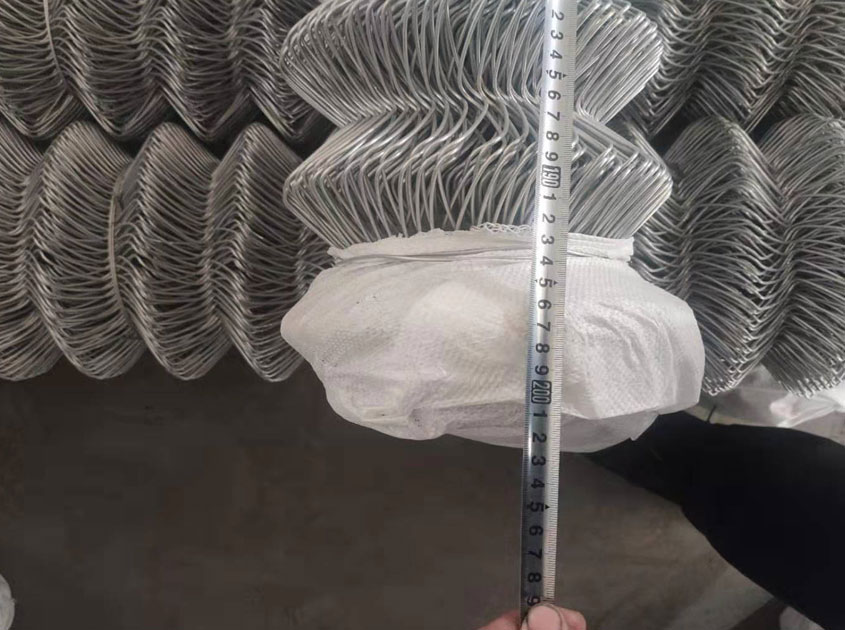
How Much Does Chain Link Fence Cost? A Complete Guide to Material Prices, Shipping and Project Costs
Pulished on Oct. 27, 2026
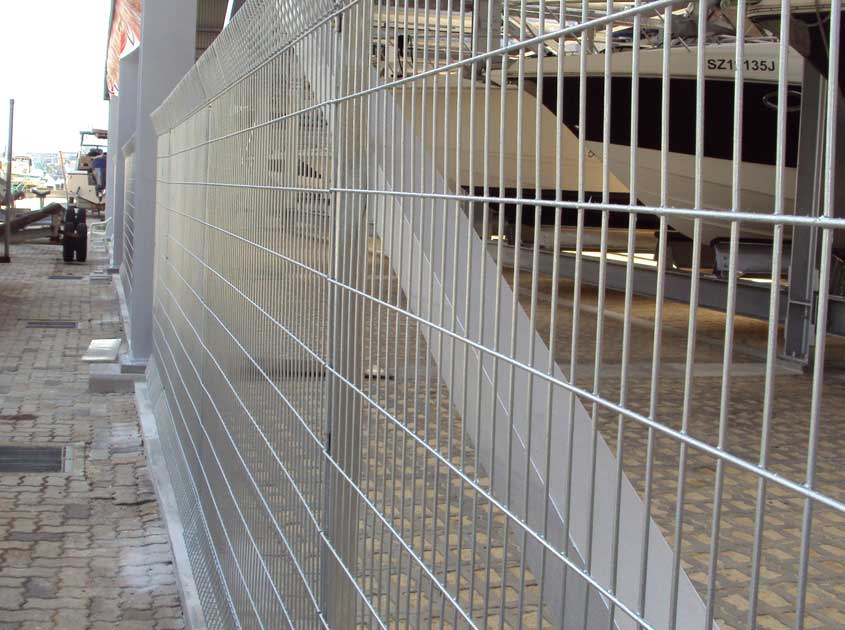
How to Install a Welded Wire Fence: A Step-by-Step Guide for Contractors
Pulished on Oct. 23, 2026
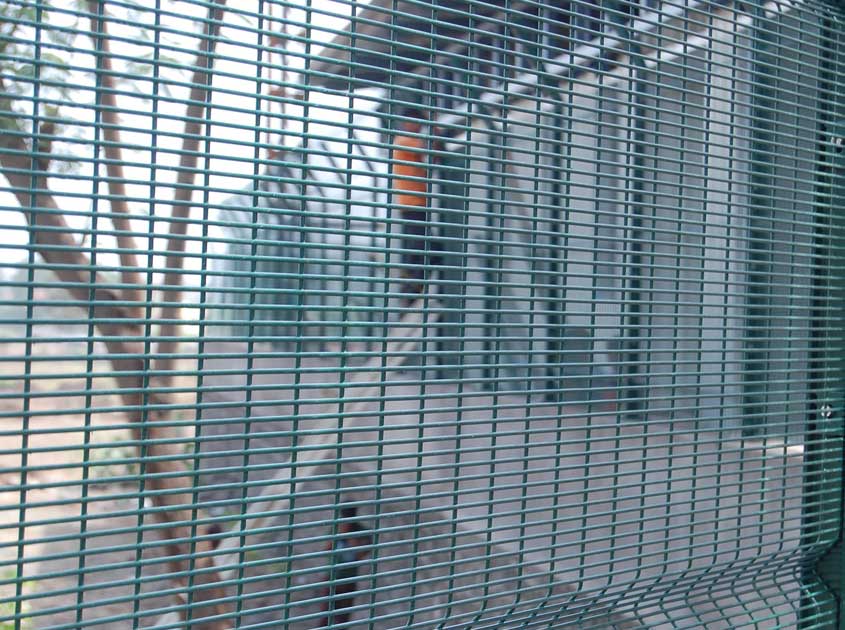
358 Fence vs Welded Wire Fence: Which Is Better for Your Project?
Pulished on Oct. 20, 2026
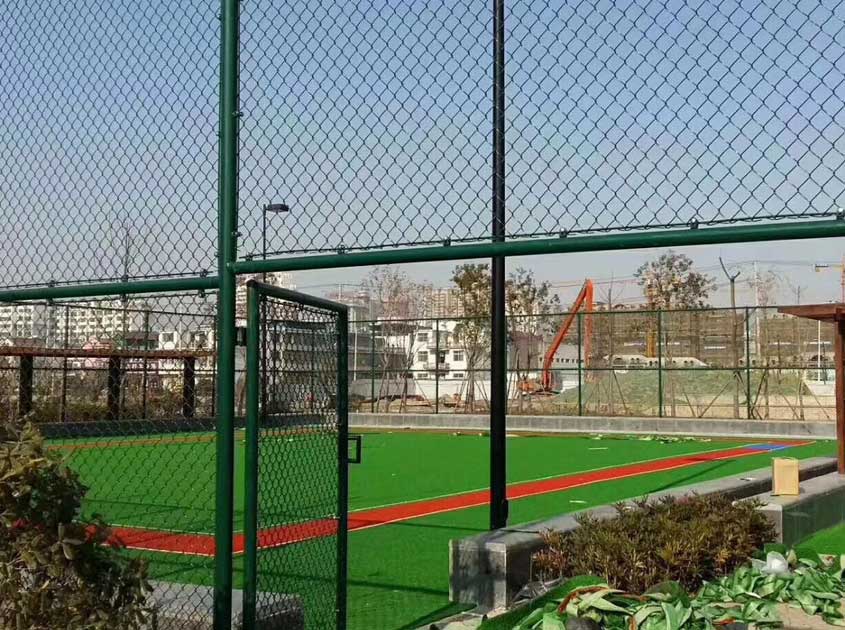
What Are the Advantages of Chain Link Fence? 8 Benefits for Commercial and Industrial Projects
Pulished on Oct. 16, 2026
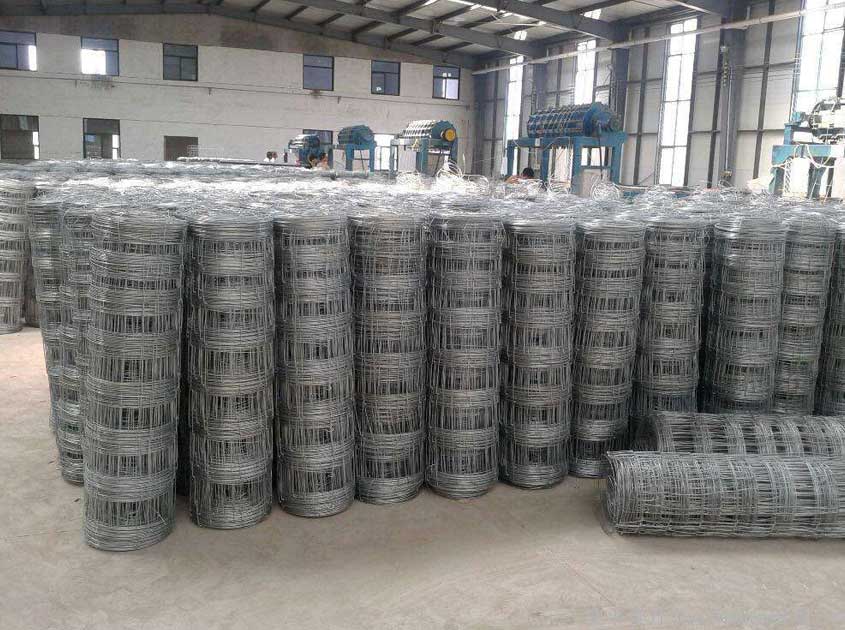
How to Choose Farm Fence for Cattle and Horses: Wire, Height and Design Guide
Pulished on Sep. 23, 2026
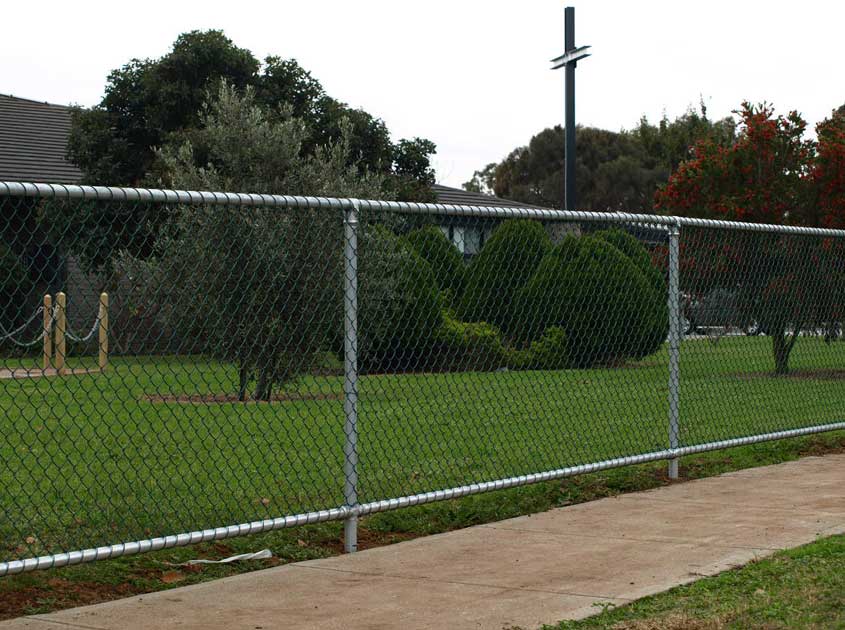
How Is Chain Link Fence Made? Manufacturing Process and Components
Pulished on Sep. 18, 2026
How to Select the Right Wire Diameter for Welded Wire Fence? A Practical Buyer’s Guide
Pulished on Nov. 18, 2026
What Mesh Size Is Best for Welded Wire Fence? A Practical Selection Guide
Pulished on Nov. 09, 2026
How Much Does Chain Link Fence Cost? A Complete Guide to Material Prices, Shipping and Project Costs
Pulished on Oct. 27, 2026
How to Install a Welded Wire Fence: A Step-by-Step Guide for Contractors
Pulished on Oct. 23, 2026
358 Fence vs Welded Wire Fence: Which Is Better for Your Project?
Pulished on Oct. 20, 2026
What Are the Advantages of Chain Link Fence? 8 Benefits for Commercial and Industrial Projects
Pulished on Oct. 16, 2026
How to Choose Farm Fence for Cattle and Horses: Wire, Height and Design Guide
Pulished on Sep. 23, 2026
How Is Chain Link Fence Made? Manufacturing Process and Components
Pulished on Sep. 18, 2026